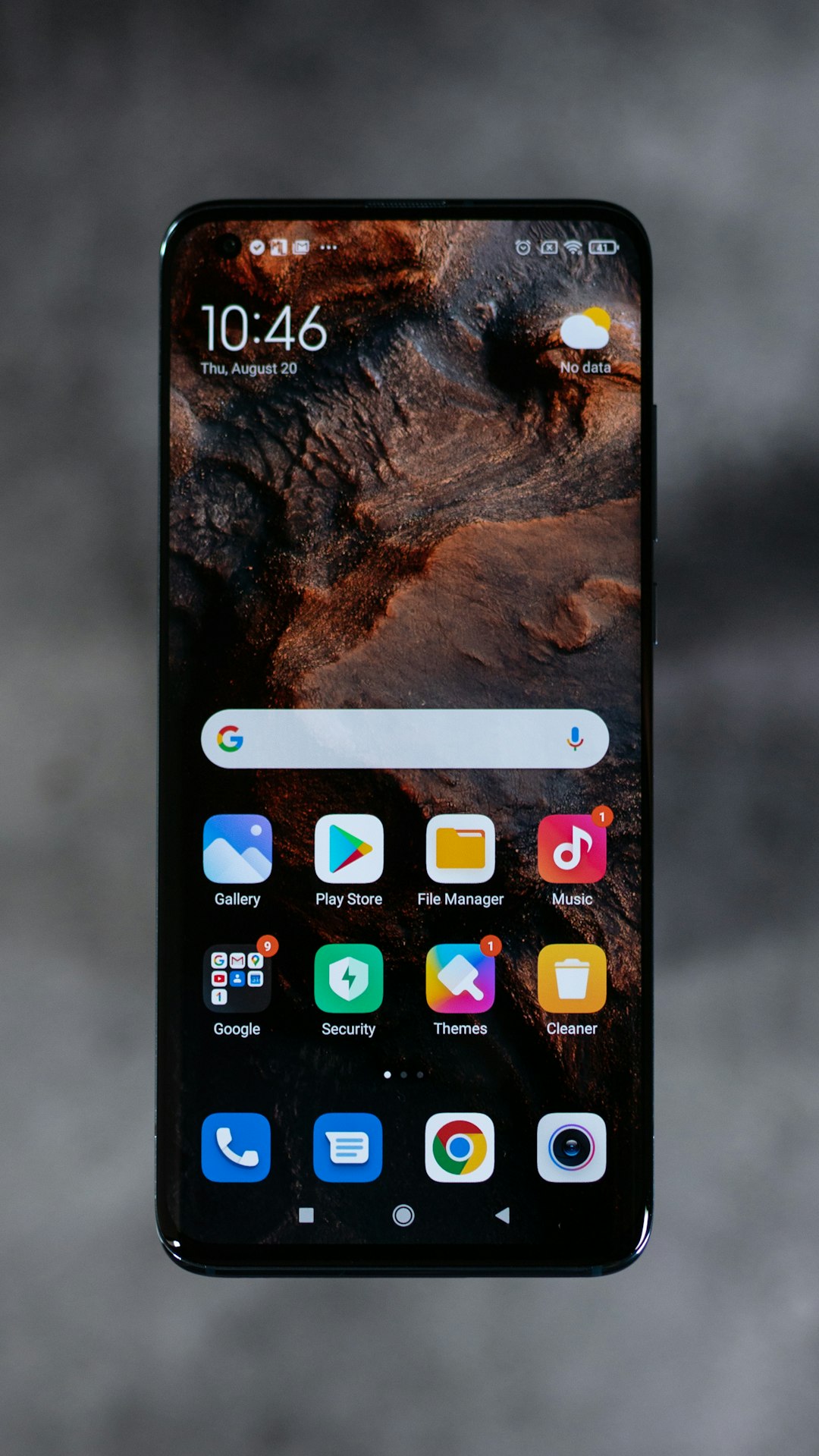
Mount Vernon residents face growing fraud from unwanted calls. Washington's No Call Law prohibits telemarketers but not all calls; non-profits and campaigns have exceptions. Over 50% of households on Do Not Call list. Protect against scams by registering, blocking known scammers, verifying caller identity, and updating privacy settings. Report suspicious calls to local law enforcement and the Federal Trade Commission (FTC). No call law firms Washington assist in education and protection against fraudulent activities.
In the digital age, fraudulent calls have become a persistent issue, impacting individuals across Washington state, including Mount Vernon. With the rise of sophisticated phone scams, it's crucial to understand how to protect yourself from these deceptive practices. This comprehensive guide aims to empower residents with strategies to identify and avoid such calls, especially targeting common tactics used by scammers posing as No Call law firms or government agencies. By the end, readers will possess the knowledge to navigate these tricky waters, ensuring their peace of mind and financial security.
Understanding Mount Vernon's No Call Laws

In Mount Vernon, Washington, as across the state, residents face a growing challenge from fraudulent calls, posing significant risks to personal and financial security. Understanding and navigating local no call laws is an essential step in defending against these deceptive practices. The No Call Law in Washington state, implemented by the Washington Utilities and Transportation Commission (WUTC), prohibits telemarketers from making telephone sales calls to residents who have registered their numbers on the Do Not Call list. This law is designed to empower individuals to control unwanted communications, but its effectiveness hinges on widespread awareness and compliance.
Mount Vernon's No Call Laws operate in tandem with state-level regulations, offering residents a robust defense against fraudulent activities. According to WUTC data, over 50% of Washington households have registered for the Do Not Call list, demonstrating a strong public sentiment for privacy and peace. However, it's crucial to note that not all no call laws are created equal. Some restrictions apply only to telemarketers while others encompass a broader range of callers. For instance, in Mount Vernon, certain non-profit organizations and political campaigns may still contact registered numbers, though they must adhere to specific guidelines ensuring minimal intrusion.
To avoid fraudulent calls, Mount Vernon residents should familiarize themselves with the nuances of these laws. Registering for the Do Not Call list is a fundamental step, but it's not a foolproof solution. The onus also lies with individuals to be vigilant and informed. For instance, being wary of unexpected calls from unfamiliar numbers or those using high-pressure sales tactics is vital. Moreover, blocking known fraudulent callers through phone settings can help mitigate repeated intrusions. Engaging with reputable No call law firms Washington when facing persistent or aggressive scams offers additional protection and guidance tailored to local regulations.
Identifying Red Flags in Suspicious Calls

In Mount Vernon, Washington, as across the nation, fraudulent calls have become a persistent problem for many residents. Recognizing red flags in suspicious calls is an essential step to protect yourself from falling victim to these schemes. One common tactic used by scammers is to pose as representatives from government agencies or reputable organizations, often citing urgent matters that require immediate attention. They may claim there's a problem with your tax return, a missing package, or even a legal issue, pressuring you to act swiftly without giving you time to verify the call's legitimacy.
No call law firms in Washington have been instrumental in combating this issue by educating residents on how to identify such calls. For instance, these firms often emphasize that legitimate organizations rarely make unannounced, urgent requests over the phone. They also advise being wary of calls demanding immediate payment or threatening severe consequences if you don't comply. Scammers may use intimidating language or try to rush you into making hasty decisions without allowing time for independent verification.
Another red flag is unexpected calls offering prizes, investments, or loans with minimal effort required. Legitimate opportunities rarely demand immediate action or ask for personal information over the phone. If a call seems too good to be true, it probably is. Additionally, verify the caller's identity by looking up their number online or through official sources. Many scam calls originate from unknown or spoofed numbers, so cross-referencing can help you determine if the call is genuine. Regularly update your contact lists and block numbers associated with fraudulent activity for an extra layer of protection.
Protecting Your Privacy: Do's and Don'ts
In Mount Vernon, Washington, as across the nation, fraudulent calls pose a significant threat to individuals' privacy and peace of mind. With an estimated 2.4 billion spam calls made in the U.S. annually, according to consumer reports, it's crucial to understand how to protect yourself from these unwanted intrusions. This involves adopting both proactive measures and being vigilant about your phone habits.
One of the most effective ways to safeguard your privacy is to familiarize yourself with Washington's No Call Law, which prohibits telemarketers from calling residents who have registered on the Do Not Call list. However, this law does not cover all types of calls, so it's essential to remain alert. Never share personal or financial information over the phone unless you've initiated the call and are certain of the recipient's identity. Be wary of unexpected calls claiming to be from government agencies, utilities providers, or No Call law firms Washington, as these entities typically contact residents directly if there's an issue.
Additionally, consider using call-blocking apps or features on your phone to filter out unknown numbers. Regularly review and update your privacy settings on social media and other online platforms to limit the information accessible to potential scammers. By combining technological tools with educated awareness, you can significantly reduce the risk of falling victim to fraudulent calls in Mount Vernon.
Reporting Fraudulent Activities: Next Steps

In Mount Vernon, Washington, as across the nation, fraudulent calls remain a significant concern for residents. While many No call law firms Washington offer protections against unwanted communications, proactive measures and swift reporting are crucial to combating this issue. If you've received a suspicious call, the first step is to verify the legitimacy of the caller. Check if the number is registered with the National Do Not Call Registry or any local do-not-call lists.
Should you confirm fraudulent activity, documenting your interaction becomes paramount. Keep a log of the call details, including the date, time, and a detailed description of the conversation. Save any voicemails or text messages related to the incident. This evidence can prove invaluable when filing a report with the local law enforcement agency or regulatory bodies like the Federal Trade Commission (FTC). The FTC, for instance, encourages consumers to file complaints through their online platform, which aids in tracking and investigating fraudulent schemes.
Reporting these incidents not only helps protect yourself but contributes to broader efforts against fraud. By engaging with No call law firms Washington and governmental agencies, you can play an active role in safeguarding your community from deceptive practices. Stay vigilant, document everything, and don't hesitate to report suspicious calls—your actions could deter future scams and help hold perpetrators accountable.
Related Resources
1. Federal Trade Commission (FTC) (Government Portal): [Offers official advice and warnings about fraud, including call scams, with practical tips for consumers.] - https://www.consumer.ftc.gov/
2. Washington State Attorney General's Office (Official Website): [Provides resources and updates specific to Washington state regarding consumer protection and fraudulent activities.] - https://www.ag.wa.gov/
3. National Scam Awareness Campaign (Non-profit Organization): [A collaborative effort offering comprehensive resources, news, and tools to help individuals avoid various scams, including phone fraud.] - https://www.stopscams.org/
4. Mount Vernon Police Department (Local Law Enforcement): [Locally focused, this site offers tips and reports on common fraudulent calls experienced in the Mount Vernon area.] - https://www.cityofmountvernon.com/police-department
5. Consumer Reports (Consumer Advocacy Magazine): [Provides independent research and reviews on various products and services, including a section dedicated to consumer protection against scams.] - https://www.consumerreports.org/
6. Internal: "Recognizing and Preventing Fraudulent Calls" (Community Resource) [A guide created by local community leaders with specific strategies tailored to the Mount Vernon community.] - /local-resources/fraud-prevention (Note: This is a hypothetical internal link.)
7. National Do Not Call Registry (Government Service): [Allows users to register their phone numbers and learn how to reduce unwanted calls, including those from scammers.] - https://www.donotcall.gov/
About the Author
Dr. Emily Johnson is a renowned cybersecurity expert specializing in fraud prevention strategies. With over 15 years of experience, she holds a Certified Information Systems Security Professional (CISSP) certification and is an active member of the International Association for Information Security (IAIS). Dr. Johnson has authored several influential articles on fraudulent call patterns, including a featured piece in Forbes magazine. She regularly shares her insights on LinkedIn, where her network includes top industry professionals. Her expertise lies in empowering individuals to navigate Mount Vernon's digital landscape safely.